Table of Contents
ToggleCramming a home theater into a small room doesn’t mean sacrificing the cinematic experience, it just means being strategic. A dedicated small home movie theater can deliver immersive sound and picture quality without requiring a sprawling basement or spare bedroom. The key is thoughtful planning: sizing your screen and seating correctly, managing acoustics so sound doesn’t overwhelm the walls, and controlling light to avoid a cave-like feel. Whether you’re converting a bedroom, corner of a living room, or finished closet space, these small home theater ideas will help you maximize functionality while keeping the design practical and enjoyable.
Key Takeaways
- Strategic layout planning using the rule of thirds—positioning seating one-third from the back wall—maximizes viewing comfort and floor space for equipment in small home theater room design ideas.
- Choose a screen size between 48–65 inches based on viewing distance (divide viewing distance in inches by 2), with 55 inches being the most versatile size for compact rooms.
- Manage acoustics with bass traps in corners and fabric-wrapped acoustic panels at first-reflection points rather than foam to avoid an amateur appearance and overwhelming the space.
- Control light leakage with blackout window shades, weatherstripping, and door sweeps, then add dimmable LED strips for mood lighting that doesn’t interfere with picture quality.
- Invest in quality seating and cable management—the two biggest factors in transforming a small room from cluttered to intentional—while keeping total budget in the $1,700–4,200 range.
Optimize Your Space With Strategic Layout Planning
Before purchasing equipment, measure your room and map out the viewing distance from where people will sit to where the screen will mount. A tight layout kills the experience, so start here.
For small spaces, the “rule of thirds” works better than traditional theater guidelines. Position your seating at approximately one-third of the room’s depth from the back wall, this gives you floor space in front for equipment, ventilation, and cable runs without forcing viewers too close to the screen. In a 12-by-14-foot room, you’d place a sofa about 4 feet from the back wall.
Measure twice. Check for electrical outlets near where you’ll sit and where equipment will go, running cables behind walls requires wall access or surface-mounted conduit, both valid options depending on your walls’ construction. A 2-by-4 stud wall can be opened for in-wall runs: concrete or masonry requires conduit or surface routing.
Consider multi-use flexibility. If the room doubles as a guest bedroom or home office, modular furniture like an ottomans or storage benches that do double duty keeps the space from feeling dominated by the theater setup. Wall-mounted shelving for AV equipment frees up floor space that a standalone cabinet would consume.
When planning, account for HVAC balance, small rooms with door closed can heat up under equipment load. A single in-wall return duct or strategically placed fan helps. Check that your layout doesn’t block supply or return air vents.
Choose the Right Screen Size and Viewing Distance
Wrong screen size is the fastest way to ruin a small home theater experience. Too large and you’ll turn your neck constantly: too small and detail gets lost.
Use this simple formula: measure your viewing distance in inches, then divide by 2 to find your ideal screen diagonal. If you sit 8 feet (96 inches) from the wall, a 48-inch screen is the baseline: 60 inches is comfortable. For 10 feet, bump that to 55–65 inches. These aren’t hard rules, but they keep the picture in your visual sweet spot without eye strain.
For compact rooms, a 55-inch TV is the most versatile size. It fits on most walls, doesn’t dominate a dual-purpose room, and still delivers excellent detail for streaming and movies. A 65-inch works if you’re sitting further back or if the room is dedicated theater only.
Mounting height matters in tight quarters. Center the screen’s bottom third at eye level when seated, this minimizes neck craning and feels more natural. In a room with low ceilings, wall-mounting leaves floor space clear: a TV mount like a swiveling arm keeps cables tidy and lets you angle the screen for off-axis viewing if your room layout requires compromise.
A projector can save wall space if you have a blank wall or ceiling, but in small rooms, the throw distance (distance from projector lens to screen) eats square footage fast. A 1080p or 4K projector typically needs 8–12 feet throw distance for a 100-inch image, impractical for most small home theater ideas. A TV is simpler and more flexible.
Create Acoustic Comfort Without Overwhelming the Room
Small rooms are loud because sound bounces off hard surfaces and amplifies. You need absorption without turning the space into a foam-covered cave.
Start with bass trapping. Low frequencies (under 200 Hz) pile up in corners and cause boomy, muddy sound. A bass trap is a thick, porous absorber, think fiberglass or mineral wool in a fabric-wrapped frame, placed in room corners. You don’t need professional acoustic panels everywhere: two to four corner traps and a pair behind the screen handle most of the problem. Avoid cheap foam: it barely works below 500 Hz and looks amateur.
For mid and high frequencies, a pair of acoustic panels on the first-reflection points (where sound bounces off the wall to your ear from the screen) helps, but fabric-wrapped rigid fiberglass works better than loose foam. A 2-inch-thick panel with a decent fabric cover (not plastic facing) costs $30–80 per panel and looks intentional, not like a dorm room setup.
Storage and furniture also absorb sound. Shelving filled with books, equipment, and décor diffuses sound better than bare drywall. Curtains or heavy drapes over windows reduce reflections and exterior noise.
For small home theater rooms, avoid over-treating. The goal is balanced acoustics, not a recording studio. A few strategic panels, corner bass traps, and thoughtful placement of soft furnishings get you 80% of the way there. Test sound with a smartphone frequency analyzer app (free options exist) to identify problem frequencies, then target absorption accordingly.
Lighting Control and Ambiance for Immersive Viewing
Stray light kills the image quality faster than anything else. A small home movie theater needs light blockage, not theatrical blackout.
Windows are the main culprit. Heavy roller shades with a blackout backing ($40–100 per window) eliminate most external light. Roller shades are clean-looking and functional: avoid thermal drapes unless you want the room to feel dark permanently. If you’re renting or can’t install permanent shades, blackout curtain panels and a tension rod work too.
Light leakage around the door ruins contrast during dark scenes. Weatherstripping along the door frame and a door sweep at the bottom cost $15–30 and make a measurable difference. If it’s a closet converted to a theater, a solid-core door blocks more sound and light than a hollow core door and fits naturally into the setup.
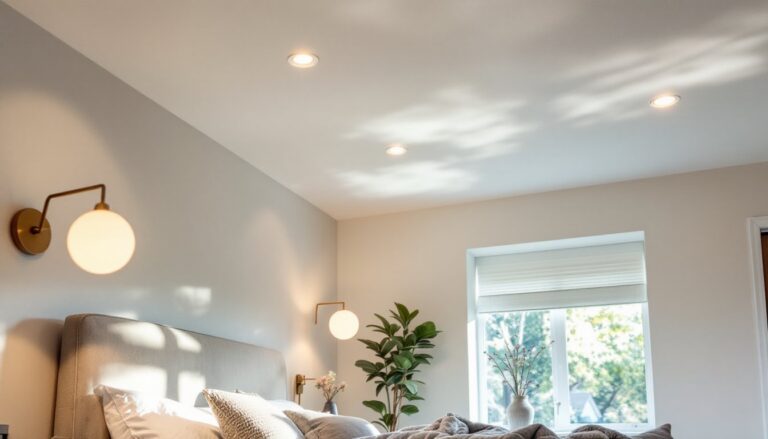
For ambient light, dimmable LED strips ($20–50) behind the TV or along baseboards provide mood lighting without glare. They don’t hit the screen, and you can dial them down during movies. A dedicated wall switch or smart plug makes this easy.
Avoid recessed lights that face the screen directly: recess them toward walls or cover with baffles. If the room must do double duty, install dimmers on existing ceiling lights so you can adjust for movie mode versus daytime use.
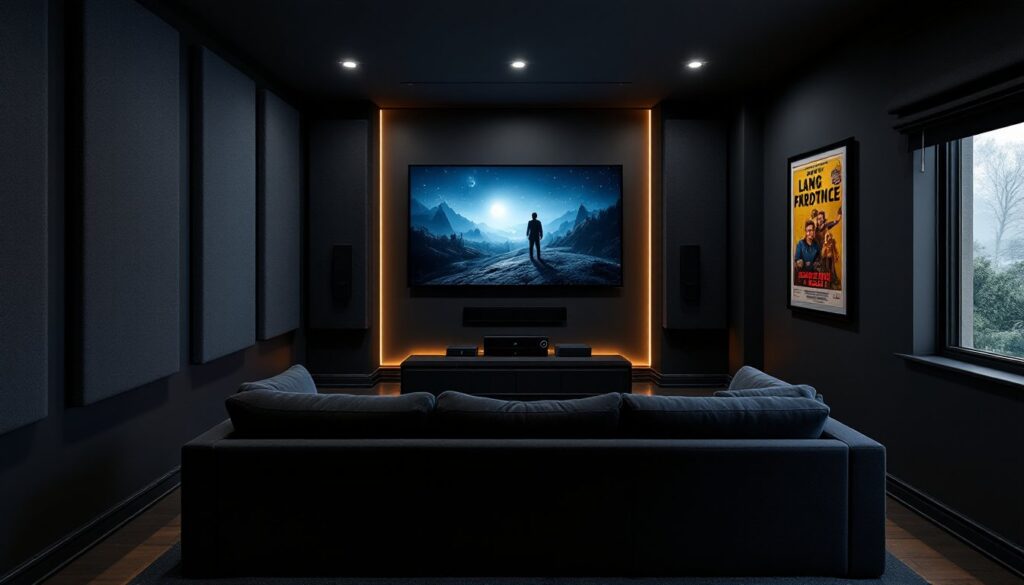
One pro tip: paint walls a dark, neutral color, charcoal or dark gray, instead of black. Black can feel oppressive in a small room and makes maintenance details (dust, fingerprints) visible. Dark gray absorbs light and feels intentional without the cave effect.
Furniture and Seating Solutions for Compact Spaces
Seating is non-negotiable, but in a small home theater ideas scenario, size and placement must work with the rest of the room.
A dedicated theater seat is ideal but takes up 3–4 feet of floor depth, plus arm width. If space is tight, a quality sectional or sofa designed for home theater is practical. Sectionals with recliners built in give you footrests without separate ottomans. Brands like American Leather, Flexsteel, and Palliser make compact theater seating that doesn’t scream “movie man cave.”
For a single or two-person setup, a powered or manual recliner works. A manual La-Z-Boy is cheap and honest: a powered unit runs $1,000–3,000 but offers adjustability and a modern look. Measure your doorway, getting furniture into a small room can be brutal if the piece doesn’t fit through hallways or doorframes.
Skip cheap gaming chairs. They’re not built for extended viewing and feel out of place in a finished room. Your seating is the biggest investment: spend here.
Arrange seating so all viewers face the screen at roughly the same angle. In a small room, this often means one or two rows max. If you need multiple seats, angle them slightly toward the screen center rather than straight-ahead, which feels awkward in tight quarters.
Storage is crucial. A low media console or credenza under the TV keeps equipment and cables organized and visible. Open shelving looks cleaner in small spaces than an enclosed cabinet. Wall-mounting the TV leaves the console area for a sound bar, receiver, and game consoles without stacking boxes.
Budget-Friendly Finishing Touches and Decor Ideas
Smart finishing choices make a small room feel intentional rather than cobbled together, without draining your budget.
Cable management is free money. Velcro cable ties ($1–5 for a pack) and cable sleeves keep wires hidden and the space looking clean. Running cables behind the TV or in conduit to the receiver is the difference between “theater” and “tech pile.”
Decor should reinforce the theater vibe without clutter. A single good framed movie poster or two adds character, just avoid overwhelming a small wall. Dark, neutral décor (grays, blacks, deep blues) keeps the focus on the screen without visual chaos. Source inspiration from design-focused sites like Homedit, which covers small space solutions and furniture layouts that work in tight rooms.
For soft furnishings, a small area rug anchors the seating area and reduces echo. Dark colors hide stains and dust in a media-heavy environment. A 5-by-7-foot rug is plenty for a compact setup.
Lighting ambiance comes from dimmable LEDs, not overhead fixtures. Bias lighting (LED strips behind the TV) costs $15–30, looks professional, and reduces eye fatigue during night viewing.
Consider double-duty décor: storage ottomans double as extra seating or a footrest, and shelving holds décor and equipment simultaneously. This keeps small home theater room design ideas grounded in practicality, not just aesthetics.
Budget allocation for a small theater: screen and TV ($300–1,000), sound ($200–500), seating ($500–2,000), acoustic treatment ($200–400), lighting and finishing ($100–300). You don’t need a $10,000 system, smart choices in a compact space outperform budget gear in a large one.
Conclusion
Designing a small home theater room isn’t about sacrificing quality, it’s about respecting constraints and making deliberate choices. Prioritize screen size and viewing distance, control light and sound strategically, and invest in comfortable seating. The result is a functional, enjoyable space that doesn’t feel cramped or wasteful. Start with layout and acoustics, add quality seating, and finish with thoughtful details. Your small home theater ideas will work best when every element earns its place.