Table of Contents
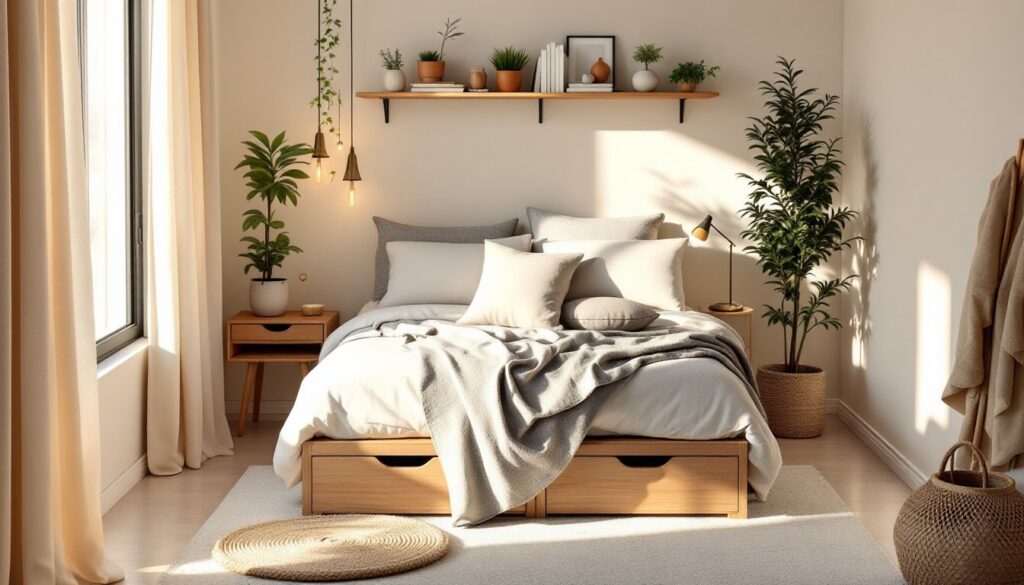
ToggleA small bedroom doesn’t mean sacrificing comfort or style. With thoughtful planning and strategic choices, you can create a modern retreat that feels both spacious and inviting, without very costly. The key is layering simple elements: neutral foundations, smart storage solutions, warm lighting, and textured textiles that work harder than you’d expect. This guide walks you through five budget-conscious strategies that transform tight quarters into a sanctuary where you’ll actually want to spend time. Let’s build something cozy.
Key Takeaways
- Start with a neutral color palette using soft whites, warm grays, or taupes—paint is one of the cheapest renovations and a single gallon covers most small bedrooms for $30–50.
- Maximize storage with multipurpose furniture like beds with built-in drawers ($200–500), floating shelves ($50–150), and narrow dressers ($100–300) to keep floor space open and maintain the modern aesthetic.
- Layer three types of lighting—ambient, task, and accent—using warm-white LED bulbs (2700K) and dimmable fixtures ($15–40) to create coziness without harsh institutional overhead light.
- Build cozy texture and warmth with affordable textiles: quality cotton or linen bedding ($80–150), throw blankets ($30–60), and mixed-texture pillows from budget retailers ($10–40 each) in complementary neutral tones.
- Incorporate natural elements like pothos or snake plants ($5–25 each), wooden shelves, woven baskets ($20–80), and lightweight curtains to add organic warmth and soften hard modern lines in your small bedroom.
Choose A Neutral Color Palette As Your Foundation
Start with a neutral base, think soft whites, warm grays, taupe, or pale greiges. These colors reflect light and make even cramped bedrooms feel airier. When walls and large surfaces stay calm, you’ve got room to add personality through textiles and accents without overwhelming the space.
Paint is one of the cheapest renovations you can do yourself. A gallon of quality interior paint typically covers 350–400 square feet, so even a small bedroom needs only one gallon. Spend a bit more on primer-in-one or a proper primer to ensure adhesion and coverage, especially if covering bold colors. One or two coats does the job.
The modern minimalist vibe pairs beautifully with neutrals, but it’s not sterile. Add warmth by choosing undertones carefully, warm grays lean slightly beige, cool grays pull toward blue. Look at paint samples on your wall at different times of day: artificial light and natural light reveal undertones differently. Soft, muted tones from brands like Sherwin-Williams or Benjamin Moore often cost $30–50 per gallon and deliver better coverage than budget options.
Keep trim, doors, and ceilings consistent with your neutral palette. This visual continuity stretches the perceived space. If you want a subtle accent, a single accent wall works, but save it for the wall opposite the window, it won’t cave in visually the way a small bedroom can feel with dark or bold colors everywhere.
Maximize Storage With Multipurpose Furniture
Small bedrooms live or die by storage. A bed with drawers, floating shelves, or a low dresser that doubles as a bench saves floor space and keeps clutter invisible. When every piece earns its place, the room feels open.
Look for bed frames with built-in drawers underneath. These typically cost $200–500 new but can be found used for half that. Metal frames with multiple underbed storage boxes are another option: they stack neatly and cost as little as $50 per box. Make sure the bed height accommodates your mattress thickness and personal comfort, standard heights are 18–24 inches off the floor.
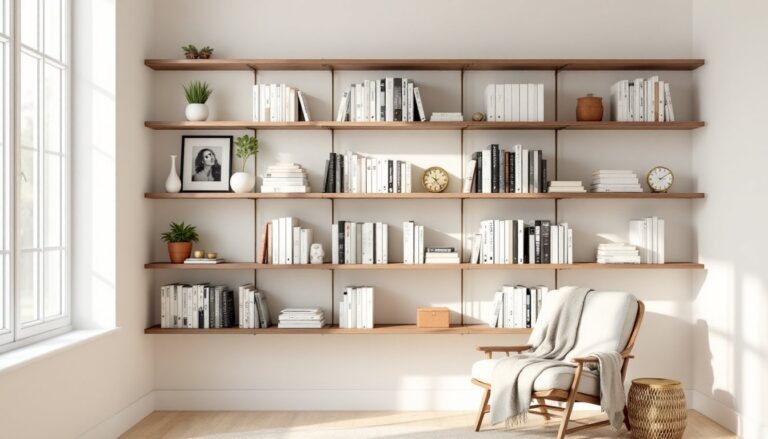
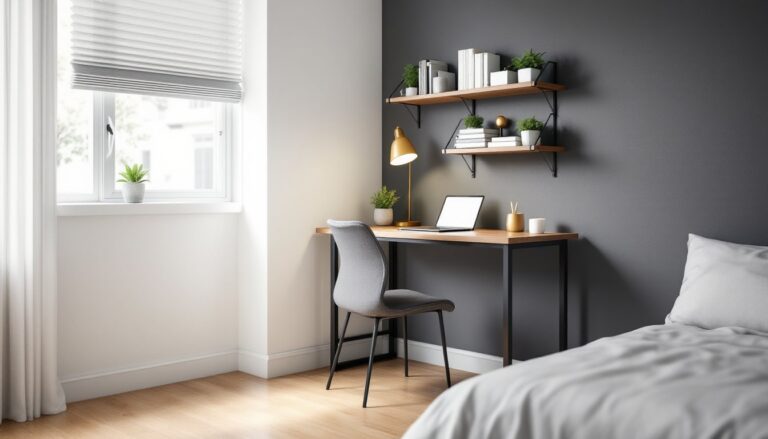
Floating shelves above the bed or desk eliminate visual clutter while storing books, plants, or décor. Install them with heavy-duty wall anchors if you don’t have studs, or into studs using 2.5-inch wood screws for permanent, safe shelving. Shallow shelves (8–10 inches deep) work best in tight rooms: they hold essentials without jutting into the space.
Vertical storage is your friend. Wall-mounted organizers, pegboards, or simple shelving pull eyes upward and create the illusion of height. Over-the-door shoe organizers stash small items cheaply. A narrow dresser or nightstand with drawers costs $100–300 and provides compact storage without hogging floor area.
Avoid oversized furniture. A queen bed in a room designed for a full is a storage and movement nightmare. Measure before buying, then leave at least 2–3 feet of walking space around the bed. If layouts are tight, consider whether a twin xl or full might work better than a larger frame.
Layer Lighting For Warmth And Ambiance
Overhead lighting alone makes small bedrooms feel flat and institutional. Layer three types of light: ambient (overhead), task (for reading or dressing), and accent (for warmth).
Start with a dimmable overhead fixture or a simple flush-mount light with a dimmer switch (around $15–40). Dimmers let you control mood without buying new fixtures. Replace the bulb with a warm-white LED (2700K color temperature) to avoid harsh, cold light. LEDs use 75% less energy than incandescent bulbs and last 15+ years.
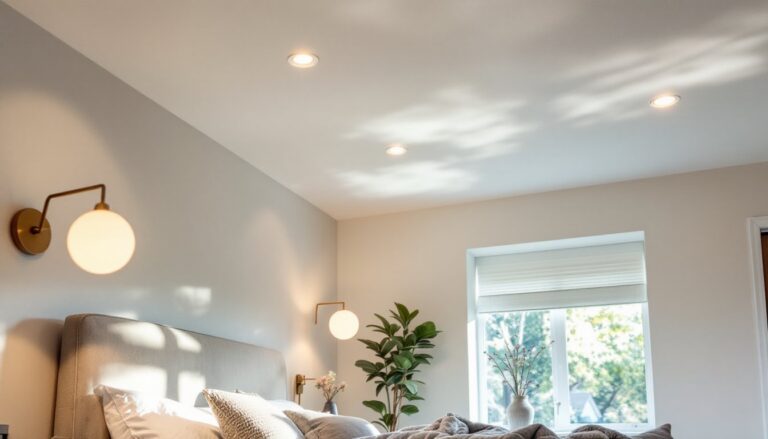
Add bedside task lighting, a small table lamp ($30–80) or a clip-on reading light mounted to a headboard works in tight corners. Wall sconces flanking the bed save nightstand space entirely and cost $40–150 per pair. If installing sconces seems daunting, a couple of inexpensive clip lamps achieves the same effect with zero wiring.
Accent lighting, fairy lights, a small neon sign, or uplighting behind floating shelves, costs $15–50 and transforms ambiance instantly. String lights create coziness without taking up physical space. Consider warm-toned LEDs (avoid blue, which disrupts sleep). Plug-in options avoid installation headaches.
Small bedrooms benefit from light color walls because the light bounces and spreads. Paired with layered, dimmable lighting, even a 10×10 room can feel intentional and inviting rather than cramped. Test different light combinations before committing to fixtures: what works in the showroom might feel wrong in your actual room.
Add Texture And Coziness With Affordable Textiles
Textiles do heavy lifting in a small modern bedroom. Layering different fabrics, cotton, linen, wool, faux fur, adds depth and warmth without bulk. Think duvet, sheets, throw blankets, and pillows in complementary neutral tones.
Start with quality bedding. A simple cotton or linen duvet (typically $80–150) lasts years and looks intentional. Pair it with neutral or very subtle patterned sheets. Thread count matters less than weave: 300–400 thread count in dense cotton or linen feels better than 1000+ thread count in loose weave. Budget brands at Target or Wayfair compete well with premium options if you focus on fiber type.
Layering is the modern move. A lightweight throw blanket draped over the foot of the bed costs $30–60 and adds visual interest and texture. Oversized floor cushions or poufs ($40–100) serve as seating, storage, or a visual softness anchor. They’re moveable, so you can shift them as needed.
Pillows deserve attention. Mix textures, a lumbar in linen, a couple of standard pillows in cotton, one in velvet. You don’t need designer labels: mixing textures from budget retailers like IKEA, Target, or H&M Home ($10–40 per pillow) reads as intentional, not cheap. Stick to your neutral palette so everything coheres.
A simple area rug grounds the space and softens hard flooring. A 5×7 or smaller area rug in neutral tones costs $50–150 and anchors the room without overwhelming it. Avoid busy patterns in small spaces: solid or very subtle textures work best. Natural fibers like jute or sisal are durable and modern but slightly pricier: wool blends offer warmth at a friendlier price point.
Incorporate Natural Elements And Greenery
Plants breathe life into small bedrooms without clutter. A single tall potted plant in the corner draws the eye upward, making ceilings feel higher. Small succulents or low-light plants like pothos or snake plants ($5–25 each) improve air quality and add organic texture that softens hard modern lines.
Use natural materials in decor. Wooden floating shelves, a simple wood bed frame, or a chunky wooden nightstand add warmth to neutral palettes. Real or high-quality faux wood costs little more than plastic alternatives and photographs better, which matters if you’re living in the space for yourself. Look for unfinished or light-stained solid wood rather than veneer when possible, it ages better.
Natural light matters. Lightweight curtains in white, cream, or soft gray let morning light through while maintaining privacy. Avoid heavy blackout curtains in small rooms: they anchor the space visually. If light control is essential, consider roller shades instead, they take minimal wall space. Styles inspired by apartment living and modern decor often emphasize this balance between openness and coziness.
Woven baskets under shelving or beside the bed store items while adding texture. Rattan, seagrass, or woven fabric baskets ($20–80) feel handcrafted and modern simultaneously. They’re functional, not decorative fluff.
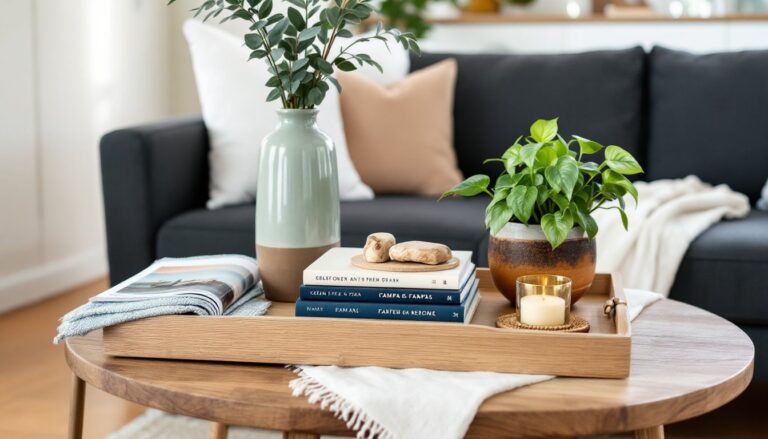
Stone or clay accents, a simple rock display, terracotta pots, or a piece of driftwood, ground the space in natural geometry. These elements cost almost nothing but anchor a modern aesthetic in natural sensibility rather than sterile minimalism. The combination of soft plants, warm wood, and subtle natural accents creates a modern bedroom retreat that feels both current and timeless.
Conclusion
Transforming a small bedroom on a budget comes down to thoughtful layering: neutral walls, smart storage, varied lighting, textured textiles, and natural elements. None of these cost a fortune individually, but together they create a cohesive, cozy modern space. Skip Pinterest fantasies and focus on what you’ll actually use and live with daily. Paint, add light, choose one good furniture piece at a time, and let textiles do the emotional heavy lifting. Start with one section, maybe painting and new bedding, and build from there. Your bedroom doesn’t need a full renovation to feel like a retreat.