Table of Contents
ToggleDesigning a bedroom for a five-year-old boy hits an interesting sweet spot. He’s old enough to have opinions and favorite interests, but young enough that tastes shift every few months. Rather than painting sports logos that’ll feel babyish by age eight, smart bedroom planning focuses on flexible foundations: neutral walls, durable furniture, and design elements that adapt as your son grows. This guide walks you through practical color schemes, functional layouts, storage solutions, and theme ideas that won’t need a complete overhaul in two years.
Key Takeaways
- Choose neutral wall colors like warm gray or soft white as your foundation for 5 year old boy bedroom ideas, allowing flexibility to swap themes through removable decals and posters as his interests evolve.
- Position twin-size beds along one wall to maximize floor space for play, and include a child-height desk (24 inches tall) in a corner for drawing and independent activities.
- Use a mix of labeled clear plastic bins, wall-mounted shelving, and rotating storage to keep toys organized and accessible, preventing items from getting lost in large toy chests.
- Select broad themes like adventure or outdoor setups rather than character-specific designs, since they appeal across multiple age ranges and adapt easily with affordable decor swaps.
- Prioritize safety by anchoring tall furniture to wall studs, securing cords, using soft-edged furniture, and ensuring the bedroom has proper egress windows (at least 5.7 square feet) for emergency exit compliance.
- Layer lighting with a ceiling fixture, bedside lamp, and dimmable options to create functional brightness for play and assignments while supporting nighttime transitions.
Choosing A Color Scheme That Works For Years
Start with paint color as your biggest decision. Avoid trendy brights or character-focused themes painted directly on walls, they age fast and require expensive repainting. Instead, choose a soft, neutral base like warm gray, soft white, or light taupe for at least three walls. These create a calm backdrop that supports any future theme swap through removable elements like wall decals, posters, or fabric accents.
For accent walls or trim, consider a muted blue, green, or even a gentle sage. These colors have longevity: they read as sophisticated rather than babyish, and they’re easy to swap if your son’s interests shift. Paint two coats of quality interior latex primer and paint (flat or eggshell finish resists stains better than flat on walls kids touch frequently) and plan for touch-ups as scuffs happen.
If you’re committing to color, stick with one accent shade rather than a rainbow. A single accent wall behind the bed or crib area anchors the room without overwhelming it. Skip painting character faces or scenes yourself unless you have genuine skill, traced stencils and sloppy brushwork cheapen the effect faster than simple color.
Functional Furniture Layouts For Play And Sleep
The best five-year-old boy bedroom balances sleep, play, and storage without feeling cramped. Position the bed along one wall (twin size, 38″ wide × 75″ long, is standard and sufficient for this age) to maximize floor space for play. If space is tight, avoid bunks or loft beds until he’s closer to eight or nine, safety requirements, climbing risks, and changing sleep patterns make them premature.
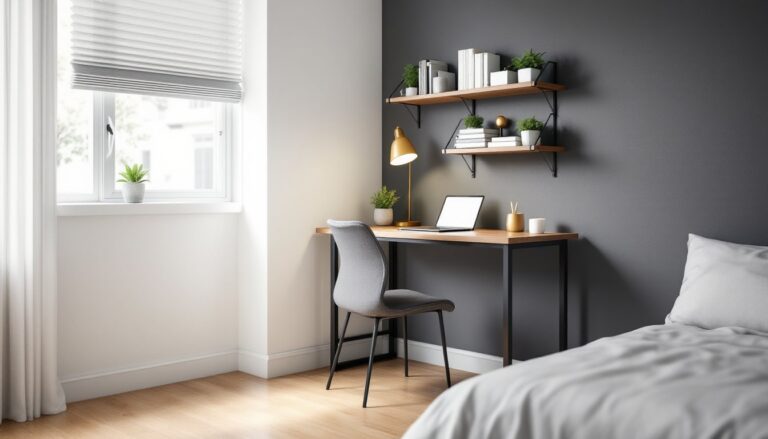
Arrange a small table and chair combo in one corner for drawing, building with blocks, or coloring. A child-height desk (about 24″ tall) with a 24–30″ wide surface works better than a full-size desk and takes minimal floor space. This setup encourages independent play while keeping materials contained.
Keep the walkway from door to bed and bed to play area clear. Five-year-olds move quickly and stumble: cluttered layouts invite toe-stub injuries and frustration. If the room doubles as a play zone, define zones loosely with a small rug under the table or beneath a toy basket, no formal boundaries needed.
Storage Solutions That Keep Toys Organized
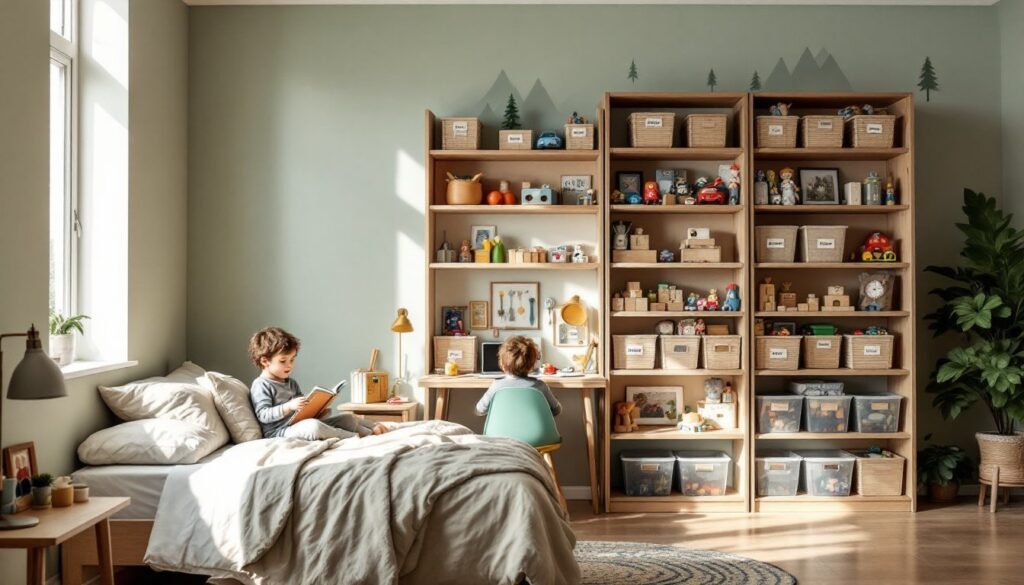
Toys multiply faster than you can organize them. Avoid single massive toy chests: they become black holes where things get lost and buried. Instead, use a mix of clear plastic bins (12–18 gallon capacity), shelving units, and hanging organizers.
Label bins with simple words and pictures: “Blocks,” “Cars,” “Dress-Up.” Five-year-olds can’t read fluently yet, but pictures and words together teach both. Keep frequently used toys at eye level and arm’s reach. Rotate seasonal or less-played items to a closet shelf or under the bed (on a rolling bin for easy access).
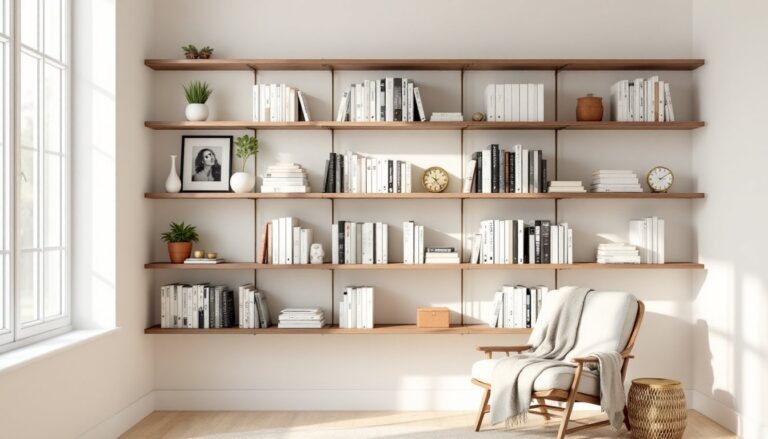
Wall-mounted shelving (securely bolted into studs) displays a few special items, a favorite toy, a collection of action figures, without eating floor space. Open shelving is easier for small hands to access and return items than closed cabinets, which improves the odds he’ll actually put toys back.
One practical hack: IKEA furniture modifications often include toy storage tricks that work brilliantly for kids’ rooms. A simple shelving unit can be customized with bins and labeled dividers to create a neat, functional system.
Theme Ideas That Inspire Imagination
A room theme gives the space personality without locking you into permanent decor. The key is choosing a direction that’s broad enough to evolve. Avoid character-specific bedding or wallpaper unless you’re confident your son will remain obsessed (spoiler: he won’t). Instead, build themes through removable accents: wall decals, bedding, artwork, and accessories.
Adventure And Outdoor Themes
Outdoor and adventure themes have remarkable staying power. A forest or camping setup, think tree decals, green and brown tones, lantern-style lighting, appeals to five-year-olds through early teens. Layer it with removable elements: canvas wall art of mountains or trees, bedding with adventure graphics, and a rope shelf or climbing hold detail if you’re handy.
Think beyond generic “outdoors.” A specific angle like “safari explorer” or “mountain cabin” feels intentional. Decorate with a world map, binoculars (toy or real, depending on breakage risk), and a reading nook styled like a cozy fort. Neutral walls mean you can rotate themes later, swap decals and bedding, and suddenly it’s a space explorer setup instead of a wilderness cabin.
Consider also that professional designers often feature budget home renovation stories that show smart theme transitions. Parents share how they’ve adapted rooms as kids grow, using affordable redecorating tricks rather than expensive overhauls.
Lighting And Safety Considerations
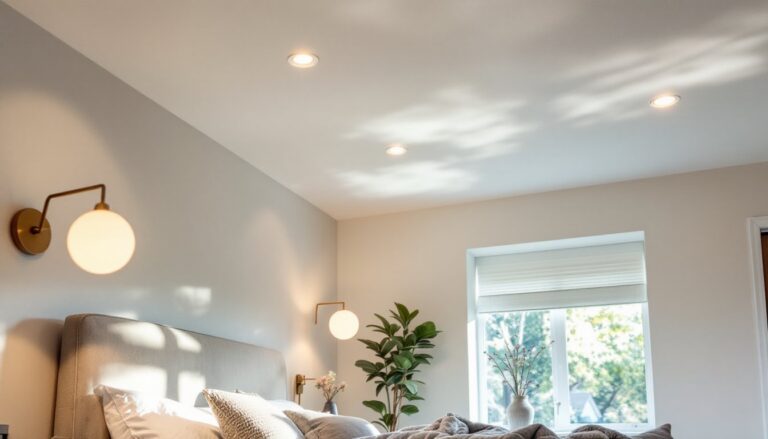
Lighting shapes mood and function. A ceiling fixture alone leaves corners dark and creates hard shadows on assignments or play surfaces. Add a bedside table lamp (with a shade to soften glare and reduce heat near soft items) and a desk lamp with adjustable brightness over the table area.
Wall sconces on either side of the bed work well if you’re comfortable running low-voltage wiring: otherwise, stick with plug-in options. A dimmable fixture controlled from the doorway helps with nighttime transitions if your son still struggles with darkness.
Keep all cords secured and out of reach using cable covers or clips. Avoid dangling cords or loose outlets. Ensure the nightlight, if used, is cool-touch and low-wattage to prevent burns or fire hazards.
Safety checklist:
- Anchor tall furniture (bookcases, shelving units) to walls with L-brackets bolted into wall studs, five-year-olds climb, and toppling furniture is a leading cause of child injuries.
- Choose furniture with soft rounded edges and avoid glass tops on small tables.
- Use safety plugs or tamper-resistant outlets in any accessible outlet.
- Keep the room cool (around 65–68°F) for better sleep and to reduce overheating risk.
- Avoid pillows, bumpers, and heavy blankets in or on the bed if he’s still transitioning from a crib: a lightweight duvet or lightweight comforter and one small pillow are sufficient.
Non-negotiable: Check local building codes for bedroom egress windows. A bedroom must have a window at least 5.7 square feet in area and 24 inches in height and width for safety compliance (IRC, International Residential Code). If your room lacks proper egress, consult your local building department before finalizing the layout.
Conclusion
A five-year-old boy’s bedroom doesn’t need to be complicated. Focus on neutral foundations, durable furniture, and removable accents that adapt as he grows. Smart storage, clear safety practices, and thoughtful lighting transform the room into a space where he can sleep, play, and feel proud. By avoiding permanent themed wallpaper or built-ins, you create a room that evolves with him, no major renovation needed in a few years.