Table of Contents
ToggleHome renovation ideas and tips can transform a dated property into a modern living space. Whether homeowners want to update a single room or overhaul an entire house, smart planning makes all the difference. A well-executed renovation increases property value, improves daily comfort, and reflects personal style.
This guide covers practical strategies for planning, budgeting, and executing home renovation projects. Readers will discover popular upgrade options, essential tips for smooth execution, and common pitfalls to avoid. The right approach turns renovation stress into renovation success.
Key Takeaways
- Successful home renovation starts with clear goals, a realistic timeline (padded by 20%), and gathered visual inspiration to communicate your vision effectively.
- Budget 10-15% of your home’s value for major renovations, with 25% set aside as a contingency fund for unexpected issues.
- Kitchen and bathroom updates deliver the strongest returns on investment, while energy-efficient upgrades offer long-term utility savings and potential rebates.
- Always hire licensed, insured contractors and obtain at least three quotes—the cheapest option isn’t always the best value.
- Avoid common home renovation mistakes like underestimating costs, skipping the design phase, and choosing trendy designs over timeless options.
- Secure necessary permits for all work, as unpermitted renovations create serious problems during future home sales.
Planning Your Home Renovation Project
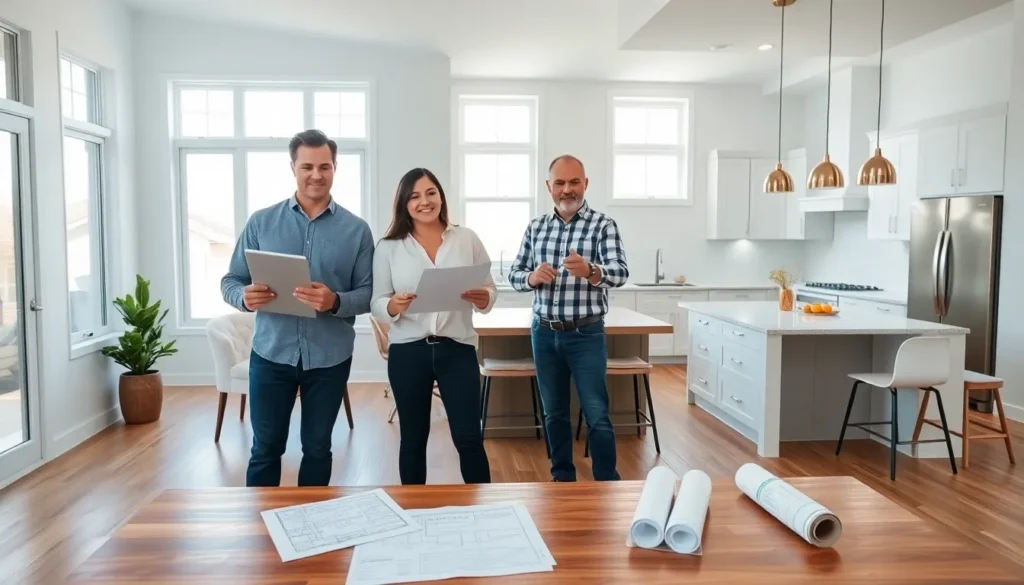
Every successful home renovation starts with solid planning. Homeowners should begin by listing their goals. Do they need more space? Better functionality? Updated aesthetics? Clear objectives guide every decision that follows.
Creating a timeline helps manage expectations. Kitchen renovations typically take 6-8 weeks, while bathroom updates may require 3-4 weeks. Full home renovations can stretch several months. Padding the schedule by 20% accounts for unexpected delays, because something always takes longer than planned.
Gathering inspiration early streamlines the design process. Pinterest boards, home improvement magazines, and open houses provide visual references. These images help homeowners communicate their vision to contractors and designers.
Setting a Realistic Budget
Budget planning determines what’s possible. Experts recommend allocating 10-15% of a home’s value for major renovations. A $400,000 home might justify a $40,000-$60,000 renovation budget.
Breaking down costs by category prevents overspending. Materials typically consume 40% of the budget, labor takes another 35%, and permits plus unexpected expenses claim the remaining 25%. That contingency fund isn’t optional, it’s essential.
Homeowners should obtain at least three contractor quotes before committing. Prices vary significantly, and the cheapest option isn’t always the best value. References and portfolio reviews reveal more than price tags alone.
Tracking expenses throughout the project prevents budget creep. Spreadsheets or renovation apps help monitor spending against projections. When costs rise in one area, adjustments elsewhere keep the overall budget intact.
Top Home Renovation Ideas Worth Considering
Certain home renovation ideas deliver strong returns on investment. Kitchen updates top most lists. Even modest changes, new cabinet hardware, updated lighting, or fresh paint, create noticeable impact without major expense.
Bathroom renovations rank second in popularity. Replacing outdated fixtures, adding a double vanity, or installing a walk-in shower modernizes the space. These upgrades appeal to future buyers and improve daily routines.
Open floor plans remain popular. Removing non-load-bearing walls between kitchens and living areas creates spacious, light-filled environments. This renovation idea suits families who value togetherness and entertaining.
Outdoor living spaces have gained momentum. Decks, patios, and outdoor kitchens extend usable square footage. They provide entertainment areas and boost curb appeal simultaneously.
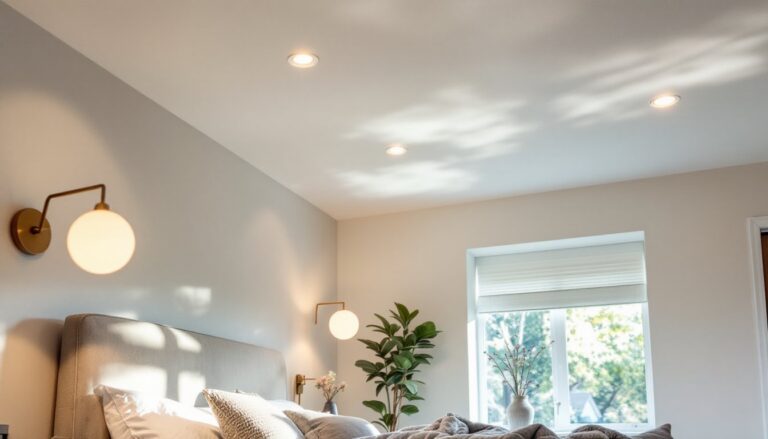
Energy-efficient upgrades offer long-term savings. New windows, improved insulation, and smart thermostats reduce utility bills. Many jurisdictions offer rebates for these improvements, offsetting initial costs.
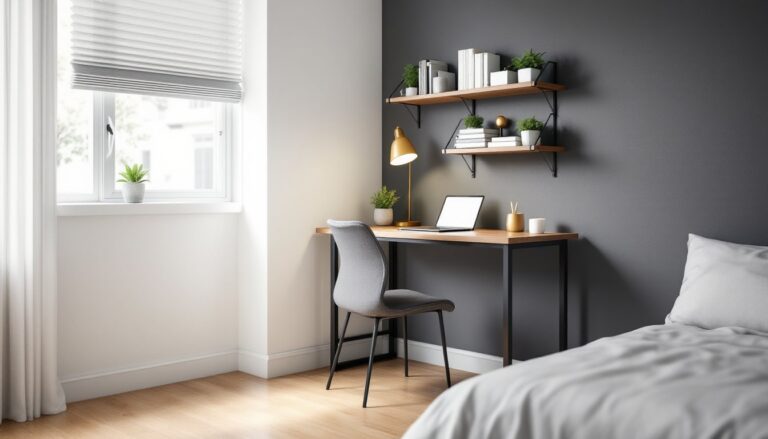
Basement finishing adds functional space. Home offices, gyms, guest suites, or entertainment rooms transform unused areas. This renovation idea often costs less per square foot than traditional additions.
Hardwood flooring installation elevates any room. It’s durable, timeless, and appeals to most buyers. Engineered hardwood offers similar aesthetics at lower price points.
Essential Tips for a Smooth Renovation Process
These home renovation tips keep projects on track. First, hire licensed and insured contractors. Verify credentials through state licensing boards. Insurance protects homeowners from liability if accidents occur on their property.
Communication prevents misunderstandings. Weekly check-ins with contractors address concerns before they become problems. Written change orders document any scope modifications and associated costs.
Living arrangements require consideration during major renovations. Dust, noise, and disrupted utilities make daily life difficult. Some homeowners temporarily relocate: others designate a clean living zone within the house.
Protecting finished areas saves money. Plastic sheeting, drop cloths, and tape guard floors and furniture from construction damage. Cleanup costs add up quickly without preventive measures.
Ordering materials early avoids delays. Supply chain issues and backorders can halt progress. Having tiles, fixtures, and appliances on-site before installation dates keeps work moving.
Permits matter more than some homeowners realize. Unpermitted work creates problems during home sales. Inspectors verify that electrical, plumbing, and structural changes meet code requirements.
Documenting the process serves multiple purposes. Photos capture progress, identify issues, and provide records for insurance. They also make great before-and-after content for social media.
Common Home Renovation Mistakes to Avoid
Learning from others’ mistakes saves time and money. Underestimating costs ranks as the most common error. Unexpected issues, rotted subfloors, outdated wiring, hidden plumbing problems, inflate budgets quickly. That 25% contingency fund exists for these surprises.
Choosing trends over timeless design creates regret. Bold wallpaper patterns or ultra-specific color schemes may feel dated within years. Neutral bases with trendy accents allow easier updates later.
Skipping the design phase causes expensive changes mid-project. Detailed plans, including exact fixture placements and material selections, prevent costly revisions. Contractors charge premium rates for change orders.
Hiring based solely on price often backfires. Inexperienced or unreliable contractors deliver subpar work, miss deadlines, or abandon projects entirely. References from recent clients reveal more than low bids.
Ignoring resale value limits future options. Highly personalized renovations, like converting garages to bedrooms, may not appeal to buyers. Homeowners should consider how long they plan to stay before making permanent changes.
DIY overconfidence leads to disasters. Electrical work, plumbing, and structural modifications require professional expertise. Botched DIY attempts often cost more to fix than professional installation would have cost initially.
Poor timing creates unnecessary stress. Starting kitchen renovations before holidays or bathroom updates when houseguests are expected guarantees frustration. Strategic scheduling makes the process more manageable.